
Building Resilience: Stories from the Field
- pdmouboua
- Jan 27
- 4 min read
Resilience is not just a buzzword; it is a vital skill that can be cultivated through experience and reflection. In various fields, individuals and communities have faced challenges that tested their limits. This blog post explores real-life stories that highlight the power of resilience, offering insights and practical lessons that can inspire anyone facing adversity.

Understanding Resilience
Resilience is the ability to bounce back from setbacks, adapt to change, and keep going in the face of adversity. It is not an innate trait but a skill that can be developed over time. Here are some key components of resilience:
Emotional Awareness: Understanding and managing your emotions is crucial. This awareness helps in recognizing stressors and responding to them effectively.
Optimism: A positive outlook can significantly impact how you handle challenges. Believing that you can overcome obstacles is a powerful motivator.
Social Support: Building a network of supportive relationships provides a safety net during tough times. Friends, family, and mentors can offer guidance and encouragement.
Problem-Solving Skills: The ability to think critically and creatively about solutions is essential for overcoming difficulties.
Story 1: The Farmer's Journey
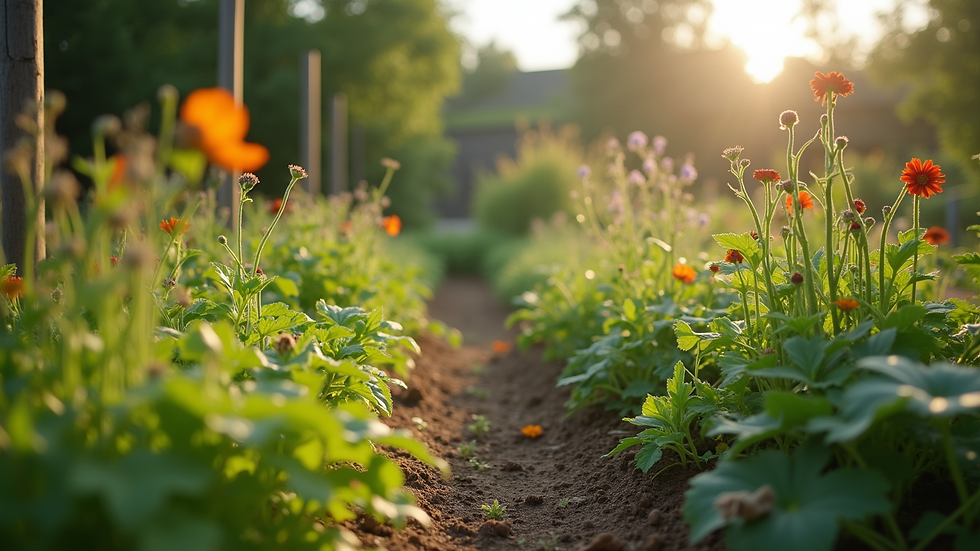
In a small rural community, a farmer named John faced a devastating drought that threatened his crops and livelihood. Instead of succumbing to despair, John took proactive steps to adapt. He researched drought-resistant crops and implemented water conservation techniques.
Through collaboration with local agricultural experts, John learned about sustainable farming practices that not only saved his crops but also improved the soil quality for future harvests. His resilience inspired other farmers in the community to adopt similar practices, leading to a collective effort to combat the effects of climate change.
Key Takeaways from John's Story
Adaptability is crucial: Embrace change and seek innovative solutions.
Community matters: Collaborating with others can amplify resilience.
Learning is ongoing: Stay informed and open to new ideas.
Story 2: The Teacher's Challenge
Maria, a high school teacher, faced significant challenges when her school transitioned to remote learning during a pandemic. Many of her students struggled with the sudden change, leading to increased anxiety and disengagement.
Instead of giving up, Maria reached out to her students individually, offering support and understanding. She organized virtual study groups and created engaging online content that catered to different learning styles. Her efforts not only helped her students succeed academically but also fostered a sense of community and belonging.
Key Takeaways from Maria's Experience
Empathy is powerful: Understanding others' struggles can create strong connections.
Flexibility in teaching: Adapting your approach can lead to better outcomes.
Building community: Fostering relationships enhances resilience in challenging times.
Story 3: The Entrepreneur's Comeback
After launching her startup, Sarah faced numerous setbacks, including financial difficulties and market competition. Many would have considered giving up, but Sarah viewed these challenges as opportunities for growth.
She sought mentorship from experienced entrepreneurs and attended workshops to improve her business acumen. By pivoting her business model and focusing on customer feedback, Sarah was able to turn her startup around. Today, her company not only survives but thrives, serving as a beacon of hope for aspiring entrepreneurs.
Key Takeaways from Sarah's Journey
Seek mentorship: Learning from others can provide valuable insights.
Embrace feedback: Listening to customers can guide your business decisions.
Persistence pays off: Keep pushing forward, even when the odds seem stacked against you.
Building Personal Resilience
While stories from the field provide inspiration, building personal resilience requires intentional effort. Here are some practical strategies to enhance your resilience:
1. Practice Self-Care
Taking care of your physical and mental health is foundational for resilience. Prioritize activities that promote well-being, such as:
Regular exercise
Healthy eating
Mindfulness and meditation
Adequate sleep
2. Set Realistic Goals
Break down larger goals into manageable steps. This approach not only makes tasks less overwhelming but also allows you to celebrate small victories along the way.
3. Cultivate a Growth Mindset
Adopt a mindset that embraces challenges as opportunities for learning. This perspective encourages you to view failures as stepping stones rather than roadblocks.
4. Build Strong Relationships
Invest time in nurturing relationships with family, friends, and colleagues. A strong support network can provide encouragement and perspective during tough times.
5. Learn Problem-Solving Skills
Enhance your ability to tackle challenges by practicing critical thinking and creative problem-solving. Engage in activities that stimulate your mind, such as puzzles or strategic games.
The Role of Community in Resilience
Communities play a vital role in fostering resilience. When individuals come together to support one another, they create a powerful network that can withstand adversity. Here are some ways communities can enhance resilience:
1. Shared Resources
Communities can pool resources to provide support during difficult times. This could include food banks, mental health services, or educational programs.
2. Collective Action
When communities unite for a common cause, they can create significant change. Whether it’s advocating for policy changes or organizing local events, collective action amplifies individual efforts.
3. Emotional Support
Communities provide a sense of belonging and emotional support. Sharing experiences and challenges can help individuals feel less isolated and more empowered.
Conclusion
Resilience is a skill that can be cultivated through experience, reflection, and community support. The stories shared in this post illustrate that resilience is not just about enduring hardships; it is about learning, adapting, and growing stronger in the face of adversity.
As you navigate your own challenges, remember the key takeaways from these stories: adapt to change, seek support, and embrace a growth mindset. By doing so, you can build your resilience and inspire others along the way.
Take the first step today—reflect on your challenges and consider how you can turn them into opportunities for growth. Resilience is within your reach.

Comments